Interproximal reduction (IPR), explained.
A gentle, routine part of many aligner treatments. Here's what IPR is, why it's used, and why it's safe — in plain language.
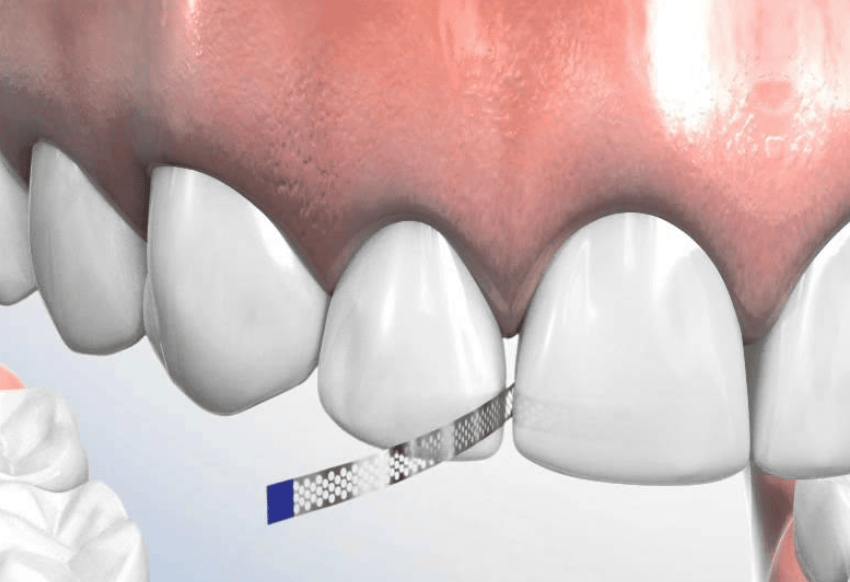
A little space, for a better fit.
Interproximal reduction — sometimes called 'stripping' or 'slenderising' — is the gentle removal of a very small amount of enamel between teeth. It creates the space needed to move teeth into their ideal position, often making it possible to straighten your smile without extractions.
Small adjustment, big benefits.
Creates space
Makes just enough room to gently align crowded teeth.
Avoids extractions
Often removes the need to take out healthy teeth to fix crowding.
Better contacts
Improves how neighbouring teeth meet and sit against each other.
More stable results
Helps teeth settle into a position that lasts after treatment.
Refined shape
Can subtly reshape teeth and reduce dark 'triangles' between them.
Aligners that track
Helps each aligner seat correctly and move teeth as planned.
Quick, gentle, and planned in advance.
From your first 3D scan to your final aligner — every stage supervised by a collaborating dentist.
Yes — and it's well studied.
IPR removes only a fraction of the outer enamel — far less than its total thickness — and decades of clinical use show it's safe when done conservatively by a professional. It doesn't weaken your teeth or increase your risk of decay when performed and polished correctly.
Your questions, answered.
Does IPR hurt?
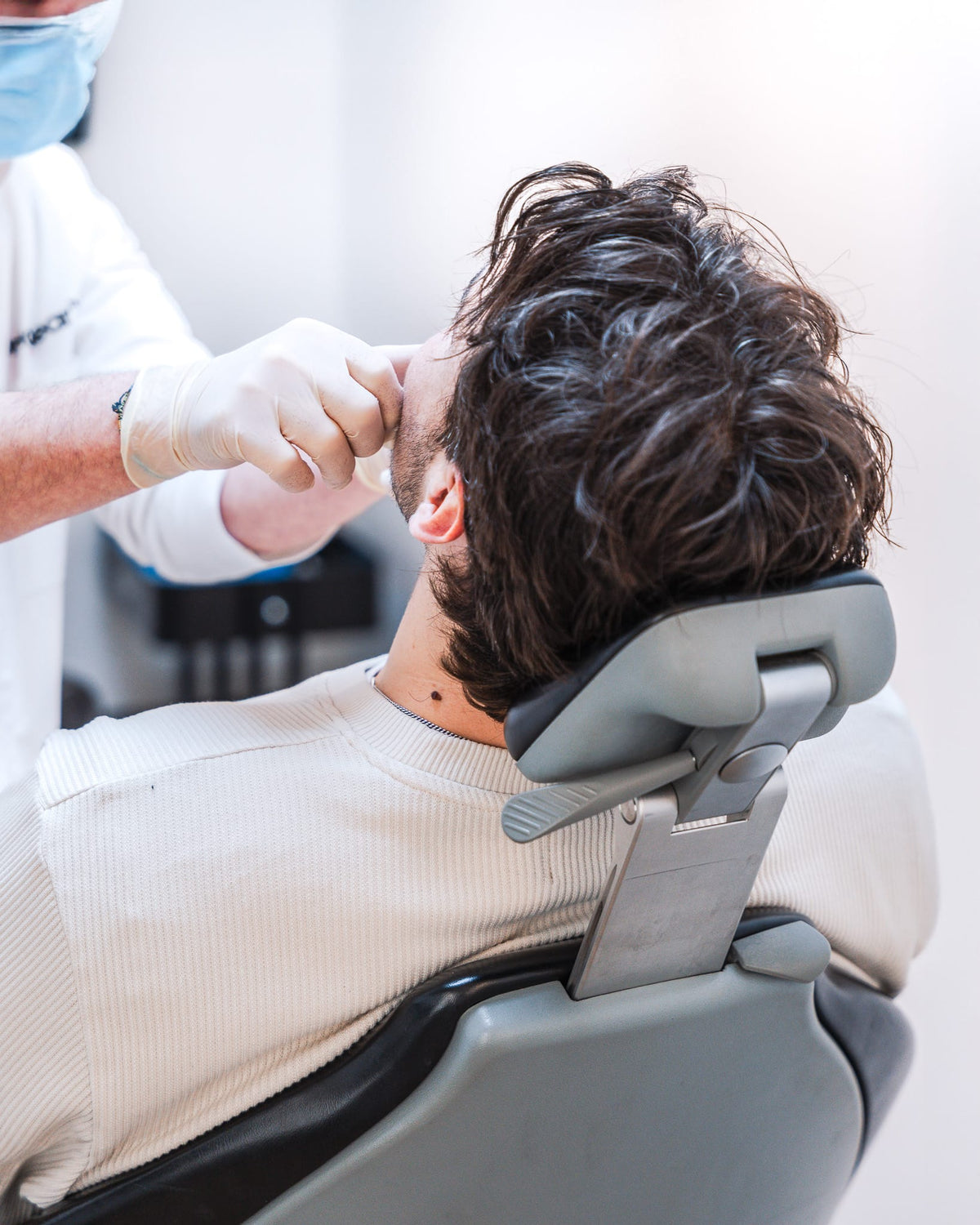
No. Enamel has no nerve endings, so IPR is typically painless and rarely needs any anaesthetic.
Will my teeth be weaker?
No. Only a small amount of enamel is removed and the surface is polished smooth — your teeth stay strong and healthy.
Does everyone need IPR?
No. It's only used where a little extra space is needed. Your dentist decides based on your 3D treatment plan.
Will it leave gaps between my teeth?
No. IPR creates just enough space for teeth to move, and those spaces close as your teeth align.
Does it cause decay or sensitivity?
Not when it's done properly and polished. Some people notice brief, mild sensitivity that settles quickly.
How much enamel is removed?
Usually between 0.2 and 0.5 mm between selected teeth — a tiny fraction of the enamel.